
Select your language
H2 Farming
The Future of Agriculture with Molecular Hydrogen
We see strong potential for hydrogen technologies in modern agriculture. Molecular hydrogen has proven to be a key factor in optimizing plant growth, improving crop quality, and enhancing the sustainability of agricultural processes.
Through research and collaboration with leading academic institutions, such as the Czech University of Life Sciences in Prague, we explore ways to use hydrogen to increase agricultural efficiency, boost yields, and improve the nutritional value of crops.
Faster Plant Growth
Efficient and Eco-Friendly Agriculture
Higher Crop Quality
Innovation for the Future
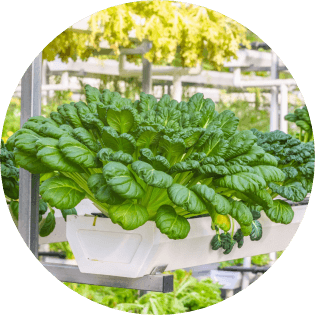
Hydrogen innovations are not limited to healthcare and energy; their potential in agriculture can contribute to food security, higher crop quality, and more sustainable food production. We are actively involved in this transformation and continuously explore new ways to effectively implement hydrogen technologies in agricultural practices.
Scientific Research as the Foundation for Future Applications
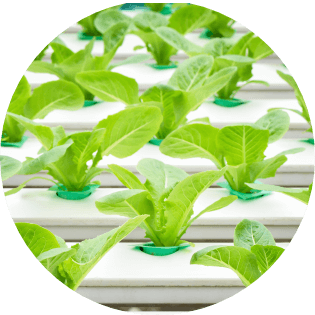
In collaboration with research institutions and agricultural experts, we focus on the practical use of molecular hydrogen in crop cultivation—both in traditional agriculture and in modern hydroponic and vertical farming. Studies already indicate a positive effect of hydrogen on plant growth processes, opening up new possibilities for sustainable and efficient food production for future generations.
Hydroponic and Vertical Farms
Molecular hydrogen brings new possibilities for modern cultivation methods such as hydroponics and vertical farming, ensuring efficient use of space and resources.
Optimization of Photosynthesis
Research suggests that molecular hydrogen can support photosynthesis, leading to faster plant growth and greater resistance to stress factors.
Improving Crop Quality
Hydrogen technologies can help enhance the taste, nutritional content, and shelf life of harvested crops, benefiting both growers and consumers.
Environmental Sustainability
Hydrogen innovations enable more efficient water and soil management, reducing negative impacts on ecosystems and contributing to long-term sustainable agriculture.
